
India, with its vast geographical expanse and diverse economic activities, relies heavily on a multitude of infrastructural elements that form the backbone of its national economy. From the sprawling network of roadways and railways to the bustling seaports and modern airways, each component plays a pivotal role in facilitating trade, communication, and overall economic growth. In this article, we delve into the various facets of India’s infrastructure, exploring how they collectively function as the lifeline of the nation’s economy.

Transport Infrastructure
Transportation is the lifeline of any economy, and India is no exception. The country boasts a comprehensive network of roadways, railways, pipelines, and waterways that enable the movement of goods and people across vast distances.
Roadways:
India has one of the largest road networks in the world, spanning over 5.8 million kilometers. The National Highways Authority of India (NHAI) oversees the development and maintenance of national highways, which serve as crucial arteries for the transportation of goods and passengers.
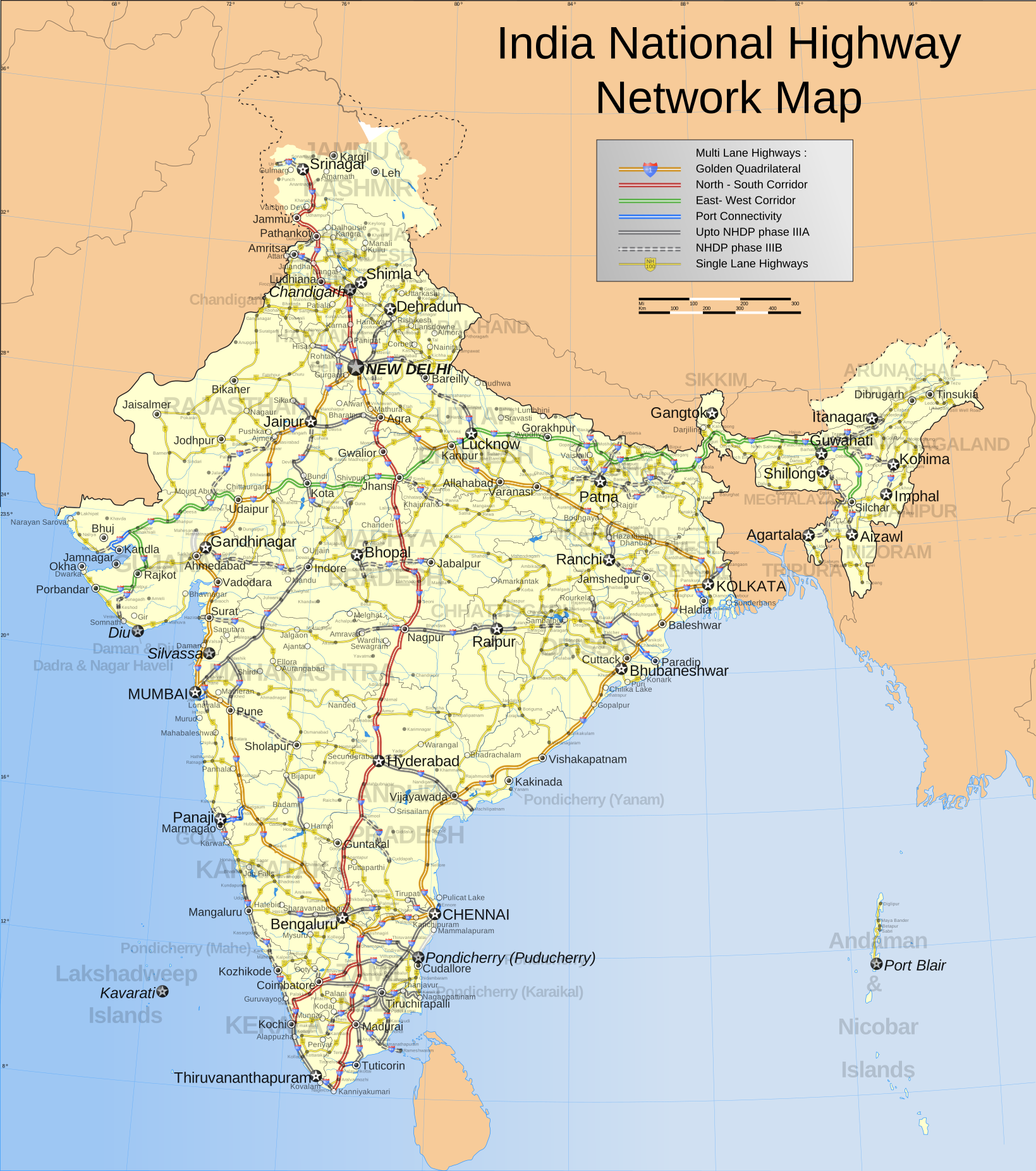
Table 1: Major National Highways in India
| National Highway | Route | Length (km) |
|---|---|---|
| NH 1 | Delhi to Attari (Punjab) | 456 |
| NH 2 | Delhi to Kolkata | 1,465 |
| NH 7 | Varanasi to Kanyakumari | 2,369 |
| NH 8 | Delhi to Mumbai | 1,429 |
| NH 44 | Srinagar to Kanyakumari | 3,745 |
Railways:
Indian Railways, operated by the Ministry of Railways, is the fourth-largest railway network in the world. It plays a crucial role in the transportation of goods and passengers across the country. The network is divided into zones, each responsible for the management of railway infrastructure within its jurisdiction.

Table 2: Major Railway Zones in India
| Railway Zone | Headquarters | Length of Network (km) |
|---|---|---|
| Northern Railway | New Delhi | 7,349 |
| Southern Railway | Chennai | 8,695 |
| Western Railway | Mumbai | 6,920 |
| Eastern Railway | Kolkata | 2,706 |
| Central Railway | Mumbai | 4,127 |
Pipelines:
India has an extensive network of pipelines for the transportation of crude oil, petroleum products, natural gas, and liquefied petroleum gas (LPG). These pipelines play a crucial role in ensuring a steady supply of energy resources across the country.
Waterways:
India has over 14,500 kilometers of navigable waterways, including rivers, canals, backwaters, and creeks. The National Waterway Authority of India (NWAI) is responsible for the development and maintenance of these waterways, which are increasingly being utilized for the transportation of goods.

Major Sea Ports
India’s strategic location along major international trade routes has led to the development of several major sea ports along its coastline. These ports serve as vital hubs for maritime trade and contribute significantly to the country’s economy.

Table 3: Major Sea Ports in India
| Sea Port | Location | Cargo Handling Capacity (million metric tons) |
|---|---|---|
| Jawaharlal Nehru Port (JNPT) | Maharashtra | 68 |
| Mundra Port | Gujarat | 144 |
| Visakhapatnam Port | Andhra Pradesh | 63 |
| Chennai Port | Tamil Nadu | 54 |
| Kolkata Port | West Bengal | 50 |
3. Airways
The aviation sector in India has witnessed significant growth in recent years, with increasing domestic and international air travel. The country is home to several major airports, both domestic and international, that cater to millions of passengers annually.

4. Communications
Communication infrastructure, including telecommunications and internet services, plays a vital role in connecting people and businesses across the country. India has seen rapid advancements in this sector, with widespread access to mobile phones and internet connectivity.
5. International Trade
India’s participation in international trade is facilitated by its robust infrastructure and strategic geographical location. The country exports a wide range of goods, including textiles, pharmaceuticals, IT services, and agricultural products, while also importing essential commodities such as crude oil, machinery, and electronic goods.
6. Tourism as a Trade
Tourism plays a significant role in India’s economy, contributing to foreign exchange earnings and employment generation. The country’s rich cultural heritage, diverse landscapes, and historical monuments attract millions of tourists from around the world each year.
Conclusion
The infrastructure elements discussed above collectively form the lifeline of India’s national economy, enabling the seamless movement of goods, people, and information across the country and beyond. Continued investment in infrastructure development is essential to sustain economic growth, enhance competitiveness, and improve the overall quality of life for its citizens. A well-developed infrastructure not only facilitates efficient transportation and communication but also fosters a conducive environment for business and trade. This, in turn, stimulates economic activity, creates employment opportunities, and contributes to the overall prosperity of the nation. Moreover, robust infrastructure is crucial for attracting investments, promoting innovation, and ensuring sustainability in the face of evolving global challenges. As India continues to make strides in various sectors, the significance of ongoing infrastructure advancements cannot be overstated, as they lay the foundation for future progress and prosperity. Therefore, prioritizing and strategically investing in infrastructure is pivotal for fostering continued development, fortifying the economy, and addressing the evolving needs of a rapidly growing population.
FAQs (Frequently Asked Questions)
- How does India prioritize infrastructure development projects?
India prioritizes infrastructure development projects based on various factors, including economic viability, strategic importance, and potential for social impact. Government agencies and private sector entities collaborate to identify and implement projects that address critical infrastructure gaps and support long-term economic growth. - What role do public-private partnerships (PPPs) play in infrastructure development?
Public-private partnerships (PPPs) play a significant role in financing, constructing, and operating infrastructure projects in India. These partnerships leverage the strengths of both the public and private sectors to deliver projects efficiently, manage risks effectively, and ensure sustainability over the project’s lifecycle. - How does India address environmental concerns related to infrastructure development?
India has implemented various measures to address environmental concerns associated with infrastructure development, including stringent regulatory frameworks, environmental impact assessments, and sustainable development practices. The government encourages the adoption of green technologies and eco-friendly infrastructure solutions to minimize adverse environmental impacts. - What are some challenges facing India’s infrastructure sector?
Some challenges facing India’s infrastructure sector include inadequate funding, regulatory bottlenecks, land acquisition issues, bureaucratic delays, and the need for capacity building and skill development. Addressing these challenges requires concerted efforts from policymakers, investors, and other stakeholders to create an enabling environment for infrastructure development. - How does India compare to other countries in terms of infrastructure development?
India has made significant strides in infrastructure development in recent decades, but it still lags behind many developed countries in terms of quality, efficiency, and coverage. The government has embarked on ambitious initiatives such as the National Infrastructure Pipeline (NIP) to bridge the infrastructure gap and accelerate economic growth.
References and Links
- National Highways Authority of India (NHAI) – https://nhai.gov.in/
- Indian Railways – https://indianrailways.gov.in/
- National Waterway Authority of India (NWAI) – https://nwa.iwai.gov.in/
- Ministry of Shipping, Government of India – [http://shipmin.gov.in/](http://shipmin.gov.in/)
- Airports Authority of India (AAI) – https://www.aai.aero/


