
Integrated Rural Development Programmes (IRDPs) in India represent a crucial component of regional development and planning, particularly within the context of rural geography. These programmes aim to address the multifaceted challenges faced by rural areas, including poverty, unemployment, underdevelopment, and lack of basic amenities. By adopting a holistic approach to development, IRDPs strive to improve the quality of life for rural populations while fostering sustainable economic growth.
Historical Context and Objectives
The concept of integrated rural development in India gained momentum during the post-independence period, as policymakers recognized the importance of rural areas in the nation’s socio-economic fabric. The primary objectives of these programmes include:
- Poverty Alleviation: Reducing poverty levels by increasing income and providing livelihood opportunities.
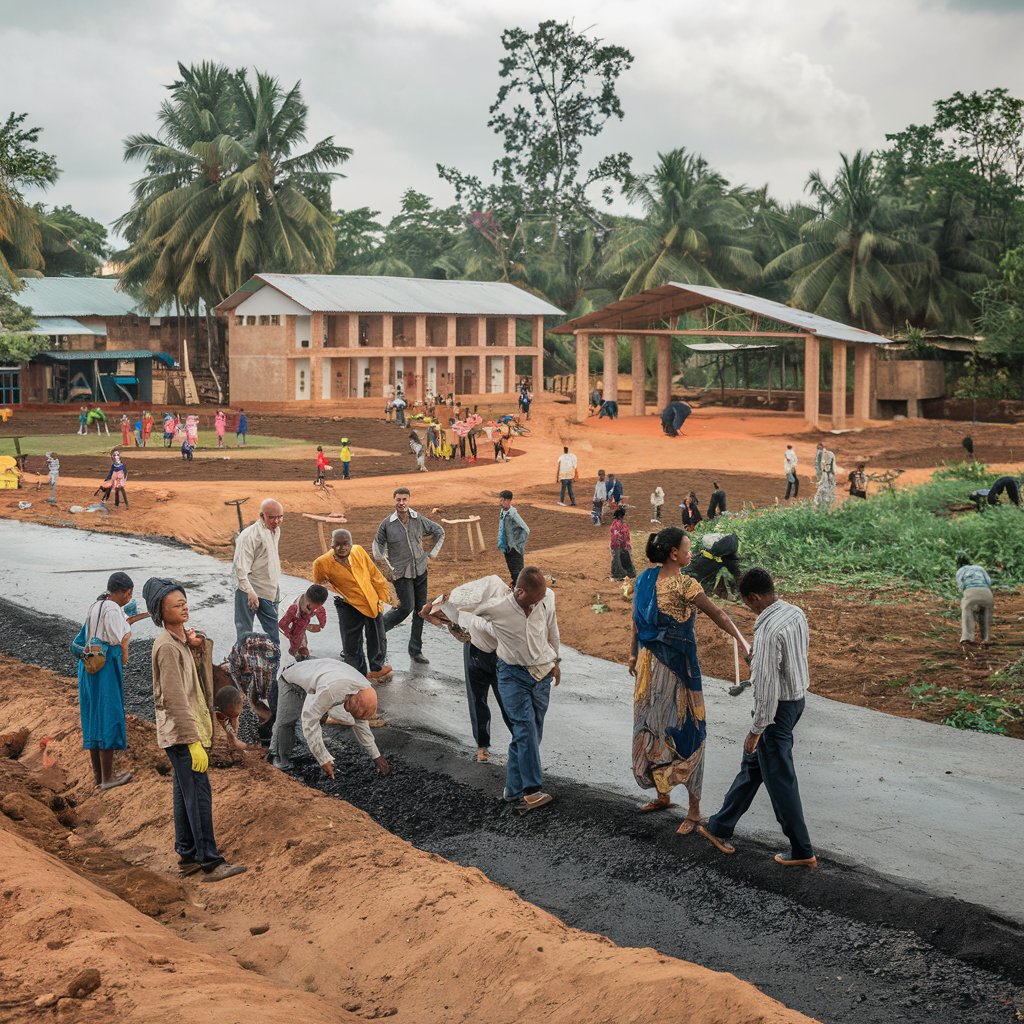
- Infrastructure Development: Creating and improving rural infrastructure, including roads, electrification, and irrigation.
- Education and Skill Development: Enhancing literacy rates and vocational skills.
- Healthcare and Sanitation: Improving access to healthcare services and sanitation facilities.
- Agricultural Growth: Promoting modern agricultural practices and technologies to increase productivity.
Key Programmes and Initiatives
India has implemented several integrated rural development programmes over the years. Some of the notable initiatives include:
1. Integrated Rural Development Programme (IRDP)
Launched in 1978-79, the IRDP was one of the earliest attempts to promote rural development comprehensively. It focused on:
- Target Group: Families below the poverty line.
- Components: Providing credit, subsidies, and training to enhance income-generating activities.
- Impact: Significant improvements in self-employment and rural livelihoods.
2. National Rural Employment Guarantee Act (NREGA)
Renamed as the Mahatma Gandhi National Rural Employment Guarantee Act (MGNREGA), this programme was introduced in 2005 to ensure livelihood security by providing at least 100 days of wage employment annually.
Key Features:
- Labour-intensive projects like water conservation, land development, and afforestation.
- Women’s participation as a priority.
3. Pradhan Mantri Gram Sadak Yojana (PMGSY)
Focused on improving rural connectivity, PMGSY aims to provide all-weather road access to unconnected villages.
Outcomes:
- Enhanced access to markets, education, and healthcare.
- Boosted economic activities in rural areas.
Challenges in Implementing IRDPs
Despite their significance, IRDPs face several challenges:
- Fragmented Approach: Lack of coordination among various stakeholders often hampers effectiveness.
- Resource Constraints: Insufficient funding and human resources limit the scope of these programmes.
- Monitoring and Evaluation: Weak monitoring mechanisms lead to inefficiencies and corruption.
- Inequitable Distribution: Benefits often fail to reach marginalized groups, including women and tribal communities.
- Environmental Concerns: Overemphasis on economic development sometimes overlooks ecological sustainability.
| Programme | Launch Year | Key Focus | Target Beneficiaries |
|---|---|---|---|
| Integrated Rural Development Programme (IRDP) | 1978-79 | Poverty alleviation, self-employment | Rural poor families |
| MGNREGA | 2005 | Employment guarantee | Rural households |
| PMGSY | 2000 | Rural road connectivity | Villages with poor access |
| National Rural Health Mission (NRHM) | 2005 | Healthcare improvement | Rural population |
| Deen Dayal Antyodaya Yojana | 2016 | Livelihood enhancement | Rural women, SHGs |
Strategies for Effective Implementation
To overcome the challenges and enhance the impact of IRDPs, certain strategies can be adopted:
- Participatory Approach: Involving local communities in planning and decision-making processes.
- Capacity Building: Training and empowering rural populations to take ownership of development activities.
- Integrated Framework: Ensuring synergy among various government schemes and programmes.
- Use of Technology: Leveraging digital tools for monitoring, transparency, and beneficiary identification.
- Environmental Sustainability: Incorporating eco-friendly practices in development projects.
| Aspect | Traditional Approach | Integrated Approach |
|---|---|---|
| Focus | Sector-specific | Holistic |
| Planning | Top-down | Bottom-up |
| Sustainability | Often overlooked | Key priority |
| Community Involvement | Limited | Extensive |
| Outcome Measurement | Short-term | Long-term |
Success Stories
Case Study: Amul Cooperative Model
Amul, India’s largest dairy cooperative, exemplifies how integrated development can transform rural economies. Key aspects of its success include:
- Linkages: Strong backward and forward linkages in dairy production.
- Women Empowerment: Active participation of women in dairy farming and decision-making.
- Market Access: Improved access to national and international markets.
Case Study: Ralegan Siddhi, Maharashtra
This village is a model for watershed development and environmental sustainability. Key achievements include:
- Water Conservation: Check dams and rainwater harvesting.
- Afforestation: Increased green cover.
- Community Mobilization: Active participation of villagers in development activities.
| Indicator | Pre-IRDP Level | Post-IRDP Level |
|---|---|---|
| Literacy Rate (%) | 50 | 75 |
| Access to Electricity (%) | 40 | 85 |
| Employment Rate (%) | 60 | 85 |
| Agricultural Productivity | Low | High |
Conclusion
Integrated Rural Development Programmes are pivotal for achieving equitable and sustainable growth in India’s rural areas. By addressing the interlinked challenges of poverty, unemployment, and underdevelopment, these programmes contribute significantly to national progress. However, for these initiatives to realize their full potential, a concerted effort is required from the government, private sector, and civil society to ensure effective implementation and inclusive growth.
FAQs
1. What is the primary goal of Integrated Rural Development Programmes? The primary goal is to alleviate poverty, improve livelihoods, and promote holistic development in rural areas.
2. How does MGNREGA support rural development? MGNREGA provides wage employment to rural households through labour-intensive projects, ensuring livelihood security and infrastructure development.
3. What challenges do IRDPs face? Key challenges include resource constraints, lack of coordination, inequitable distribution of benefits, and environmental sustainability concerns.
4. Can technology play a role in enhancing IRDP effectiveness? Yes, digital tools can improve monitoring, beneficiary identification, and transparency in programme implementation.
5. What is the significance of community participation in IRDPs? Community involvement ensures that development initiatives are need-based, locally relevant, and sustainable.
References
- Ministry of Rural Development, Government of India. rural.nic.in
- Mahatma Gandhi National Rural Employment Guarantee Act. nrega.nic.in
- Pradhan Mantri Gram Sadak Yojana. pmgsy.nic.in
- Ralegan Siddhi Case Study. ralegansiddhi.org
- Amul Cooperative Model. amul.com


